

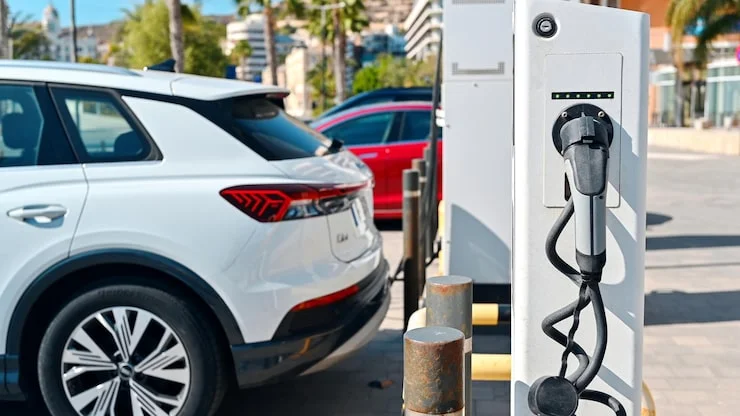
You can still find free electric vehicle charging in the United States, but you have to know where to look and how to check before you drive there. Free public charging has become less common as networks convert older stations to paid models, yet thousands of locations still offer complimentary electrons to drivers who plan ahead. The key is understanding which tools show free stations, which types of businesses still provide them, and what to expect when you arrive. This guide walks you through each step without wasting your time on dead ends.
Start With the Right Apps and Filters
The fastest way to find a free charger is to use an app that lets you filter for zero-cost stations. Two free apps do this well and both are available for iPhone and Android: PlugShare and ChargeHub.
PlugShare relies on driver check-ins and reviews, so you can see whether a station was working recently and whether it actually charged a fee. The app lets you filter specifically for free stations, and the community notes often mention if a location has started charging money even if the listing has not been updated yet . ChargeHub offers a similar free-only search option and includes turn-by-turn directions through Google Maps, Apple Maps, or Waze . ChargeHub also claims access to over 200,000 stations across the US and Canada, with filters for charging level and connector type .
A third option worth knowing is the U.S. Department of Energy’s Alternative Fuels Data Center. The government maintains a public database of stations, and some third-party apps pull directly from it. One independent app called “EV Charging Stations USA” uses the NREL database and specifically highlights thousands of free chargers hosted by hotels, restaurants, parks, and businesses that do not appear in the major network apps . The Department of Energy notes that more than 20 percent of public charging in the US—including Level 1, Level 2, and DC fast chargers—is free to use . That is a significant chunk of the network, but it is scattered across many different hosts rather than concentrated in one brand.
Read Also: Best Electric Cars 2026: Top Rated EVs & SUVs Reviewed
Look at the Places That Still Offer Free Charging
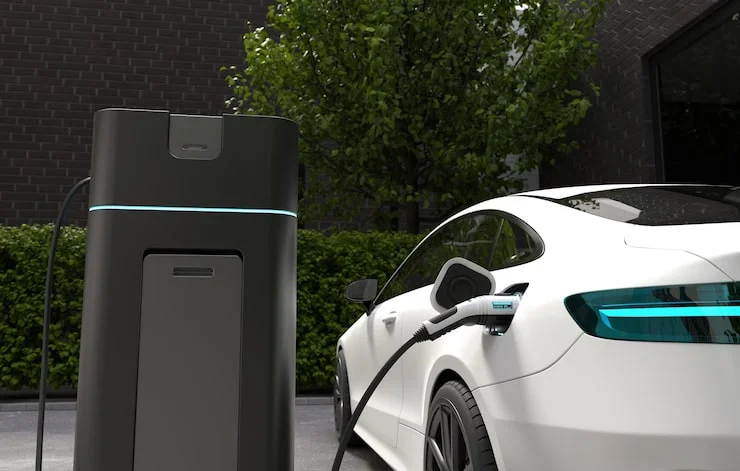
Free charging survives mostly as a perk attached to a business, not as a standalone service. Understanding which types of locations still give away electricity helps you target your search.
Hotels are one of the most reliable sources. Many Marriott and Hilton properties offer free Level 2 charging as a guest amenity, which means an overnight stay can leave you with a full battery by morning . The catch is that “available” sometimes means only two shared plugs, so calling the front desk before you book is a smart move. If you are planning a road trip, filtering your hotel search for EV chargers turns your sleep stop into a charging stop without any extra time cost.
Grocery stores and shopping centers still host free chargers in some markets. Whole Foods, Kroger, and certain mall locations have offered “charge while you shop” stations, and some of these are ad-supported—screens play commercials while you charge . The Volta model pioneered this approach before Shell acquired the company, and while many Volta sites have converted to paid, some free locations remain. The same logic applies to theaters and restaurants: if you are going to be parked for an hour or more anyway, a free Level 2 charger adds range at no cost.
Workplaces and municipal lots round out the list. Employers that installed chargers years ago often still provide them free to employees, and some city libraries and public parking facilities offer complimentary charging as a service to residents . These are harder to find through national apps because they may not be listed in commercial networks, which is why the Department of Energy database and community-driven apps like PlugShare are useful for uncovering them.
Know What “Free” Actually Means at the Station
Not every free charger is the same, and misunderstanding the setup can leave you frustrated. Most free public chargers are Level 2, which adds roughly 25 to 30 miles of range per hour of charging . That is perfectly fine if you are parked for a shopping trip or an overnight hotel stay, but it is not a substitute for a fast road-trip top-up. Free DC fast chargers do exist, but they are rare and often promotional—a new vehicle purchase might come with complimentary fast charging, or a utility company might run a limited-time program . Do not plan a long journey around finding a free fast charger; plan around home charging or paid fast charging, and treat free stations as a bonus.
You should also check whether the charger requires a network account or an RFID card. Some free stations are “non-networked,” meaning there is no app and no account—you just plug in and the session starts . Others sit on a network like ChargePoint but are configured by the host to bill zero dollars. PlugShare reviews usually mention whether a station needed an app to activate, so read the most recent comments before you rely on a location.
Verify Before You Drive and Follow Basic Etiquette
The biggest risk with free charging is arriving to find the station broken, occupied, or no longer free. Always check recent check-ins in PlugShare or ChargeHub before you commit to a detour. A charger that was free six months ago may have been converted to paid, and a station that worked last week may be waiting for a repair. The Department of Energy points out that maintenance costs for station hosts can reach several hundred dollars annually per charger, which gives some businesses a reason to either start charging fees or let equipment fall into disrepair .
When you do find a working free charger, use it considerately. Move your car once charging is complete, especially at a location with only one or two plugs. Do not leave your vehicle parked in an EV spot without actively charging—this blocks other drivers and contributes to the perception that free charging is unreliable . If you see a problem with the station, report it in the app so the next driver knows what to expect. These small actions keep the remaining free stations usable for everyone.
You May Also Like: Features of the 2025 Ford E-Transit Youll Love
Set Realistic Expectations for Free Charging
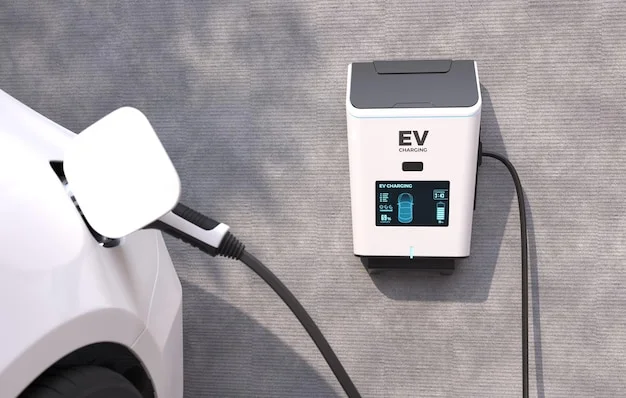
Free public charging is best understood as a supplement, not a strategy. The reliable foundation for most EV owners is home charging, which is cheaper and more convenient than hunting for complimentary stations around town . Free charging works well when it overlaps with something you were already doing—sleeping at a hotel, buying groceries, or sitting at work. It does not work well as the sole plan for a road trip or a busy day when you need range quickly.
The landscape is also shifting. More than 20 percent of public charging is free today, but that number has been declining as networks mature and hosts look to recover costs . The stations that remain free tend to be older Level 2 units at businesses that see charging as a customer perk rather than a profit center. If you build your habits around checking PlugShare or ChargeHub before you park, and you know which hotel chains and stores in your area still offer complimentary charging, you can capture meaningful free electrons without wasting time on stations that have gone paid or gone dark.