



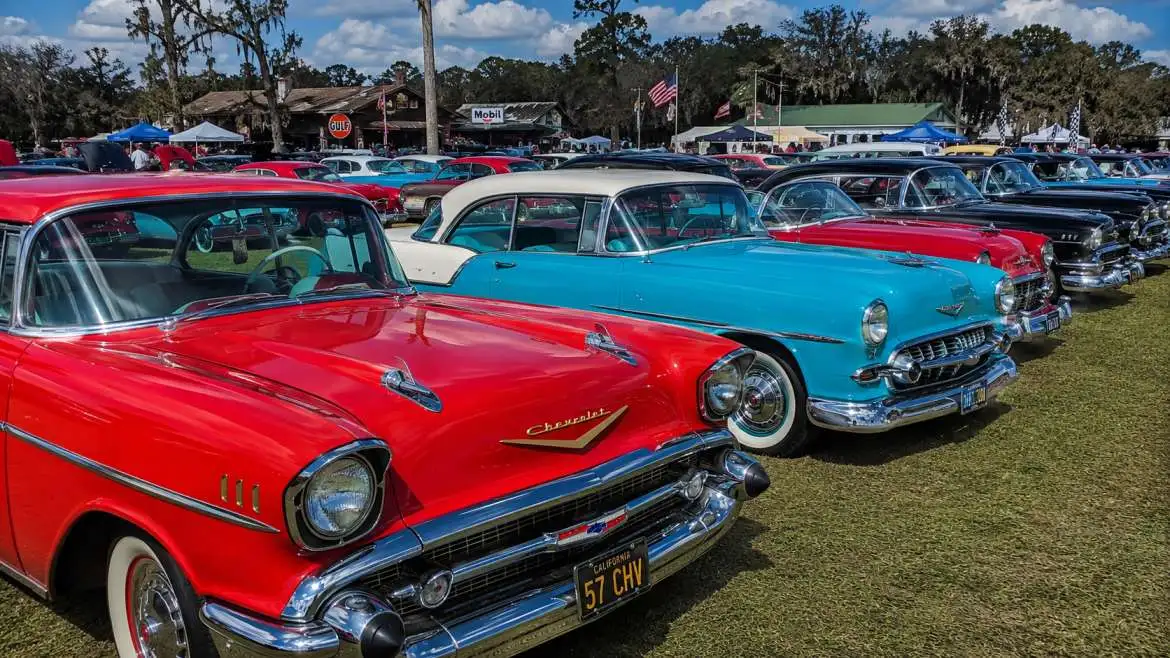
Prepping an old car for a show takes way more than a Sunday wash. Judges and the crowd catch everything, so everything needs to match up. Your paint can’t have dull spots, the chrome needs to be rust-free, and the cabin should look just as good as the body. Don't skip the annoying parts either. You gotta degrease the engine, get tires that actually match the car's era, scrub the rims, and wipe down the glass. Even bad weatherstripping, a junk-filled trunk, or a blown bulb will ruin your chances.
A Car That’s Prepared, Not Just Presentable
Getting a classic car ready for an auto show takes more than just a quick wash and a decent parking spot. You’ll be out there all day, among stiff competition and well, everyone—judges and spectators too, plus other owners—notices detail those casual drivers usually kind of overlook. Still, don’t stress, because that does not mean you’re not ready to make some noise. Before you roll onto the show field.
You may also read :- Top 8 Luxury Car Brands in the World
The Paint Has Real Depth
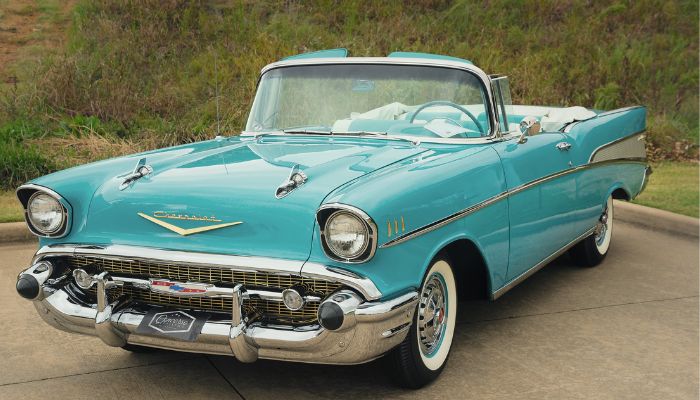
A show ready classic basically has paint that looks clean, even, and finished the right way from every single angle. Like a 1969 Chevrolet Camaro or a 1957 Chevrolet Bel Air, you really want the color to keep that shine on the hood, roof, doors, and quarter panels, no lifeless spots, no dull patches. So if someone protected the surface the proper way, you’re already in good shape, like, straight up.
Clean and Consistent Chrome Trim
Chrome trim can honestly make or break the whole look of a classic car, and most proper owners already know that. The bumpers, window surrounds, grille sections, mirrors, and even the door handles must remain clean of any major headaches, especially rust spots, plus deep pitting.
A Complete Interior
The cabin needs to feel finished, not like it was just freshly vacuumed. What that kind of means for you is, everything from the seats and door panels, to the carpets and dashboard trim should land on the same condition level as the outside. So if your 1970 Challenger has restored upholstery but it still has cracked armrests, those little weak points will really stand out.
A Presentable Engine Bay
A neat engine bay says to people that someone has looked after the car, beyond the stuff everyone spots right away. The whole nitty gritty thing still has to get handled, like the tubes, belts, wiring, and the inner splash guards. So, basically, it should come across as tidy and clean, no leaks dripping out anywhere, and not piled up with layers of ugly grime.
The Tires Match the Car
Make no mistake—tires can make a classic car look either right or kind of careless, you know, in that quick glance way. A restored 1963 Corvette deserves tires that match the era and stance, whether that turns out to be narrow whitewalls, or correctly sized blackwalls. The last thing you want is to roll in, with split sidewalls and the wrong sizing, like you didn’t pay attention.
Properly Detailed Wheels
Speaking of wheels, they also pick up brake dust, polish residue, and road grime faster than most owners really want to admit. Whether your car has Rally wheels or the factory hubcaps, the finish ought to look clean clear into the little creases. (And don’t go assuming people won’t notice, either.)
Clear Glass
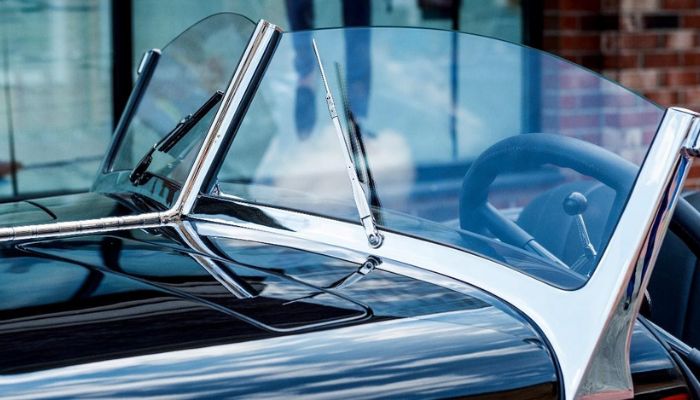
A clean piece of glass gives a classic car that sharper, more finished vibe, like it’s put together a bit more carefully than before. It’s not only about the windshields, of course; the side windows, vent glass, and rear panes also need to be free of fingerprints and the old sticker residue that seems to hang around. And yeah, the glass area is pretty big, plus it stands out in plain sight, so cleanliness matters more than most folks think.
The Weatherstripping Looks Fresh
Classic cars kind of reflect the total add up of their pieces, meaning the old rubber can make a “restored” car feel a bit weary, even if the paint looks totally excellent. Those door seals, the window channels, and the hood bumpers shouldn’t sit all wrong or hang out of place. If you open the door and the seal just flakes apart, the car still isn't really show ready, not yet.
An Organized Trunk
An everyday trunk is easy enough to wave away, but not on a classic car! For older folks— or well, older guys style— the trunk ought to look like it belongs in the show, not like an afterthought. You really need to watch the little stuff, a clean mat in there, a proper jack placed right, and those neat side panels that don’t look rushed. It’s the minor touches, kind of the subtle arrangements, that give the whole vibe actual credibility, like the car is saying “yep, this is how it should be”.
Conclusion
Getting a trophy or just earning respect on the field is all about the tiny stuff. Good paint gets people to walk over, but a true show car keeps them there because you fixed the little things, like the trunk mat or the plate lights. Putting in that brutal extra weekend to detail those spots proves you care about the ride, and everyone at the show will see it.
FAQ
Q: Can I just wash it the morning of the show?
A: No way. Not if you plan to compete. A quick wash misses the grime deep in the wheels, the dust under the hood, and a messy trunk.
Q: Is the interior a huge deal?
A: Massive. If the paint looks perfect but the dashboard is split or the armrests are beat up, it ruins the whole vibe immediately.
Q: Do folks actually look at rubber seals and lights?
A: Yep. If the door rubber flakes off or a turn signal is dead, people will assume it's just a pretty shell, not a real, working car.






.jpg)