

But this option is not the only choice available to consumers. Some manufacturers have actively used rotary engines as their primary engine selection. The designers of these engines should have made them universal since they have been available for 60 years.
NSU Spider
The Volkswagen Group now owns NSU, which became its first company to develop the Wankel rotary engine. The company developed a prototype in 1957 and seven years later launched a production model with a later development.
The beautiful little spider, which came from the Prinz saloon, created a new design. The vehicle featured a rear engine that used a single-rotor engine and achieved success in competitions because its megaphone-type exhaust produced extreme sound during performances.
Skoda 1000MB Prototype
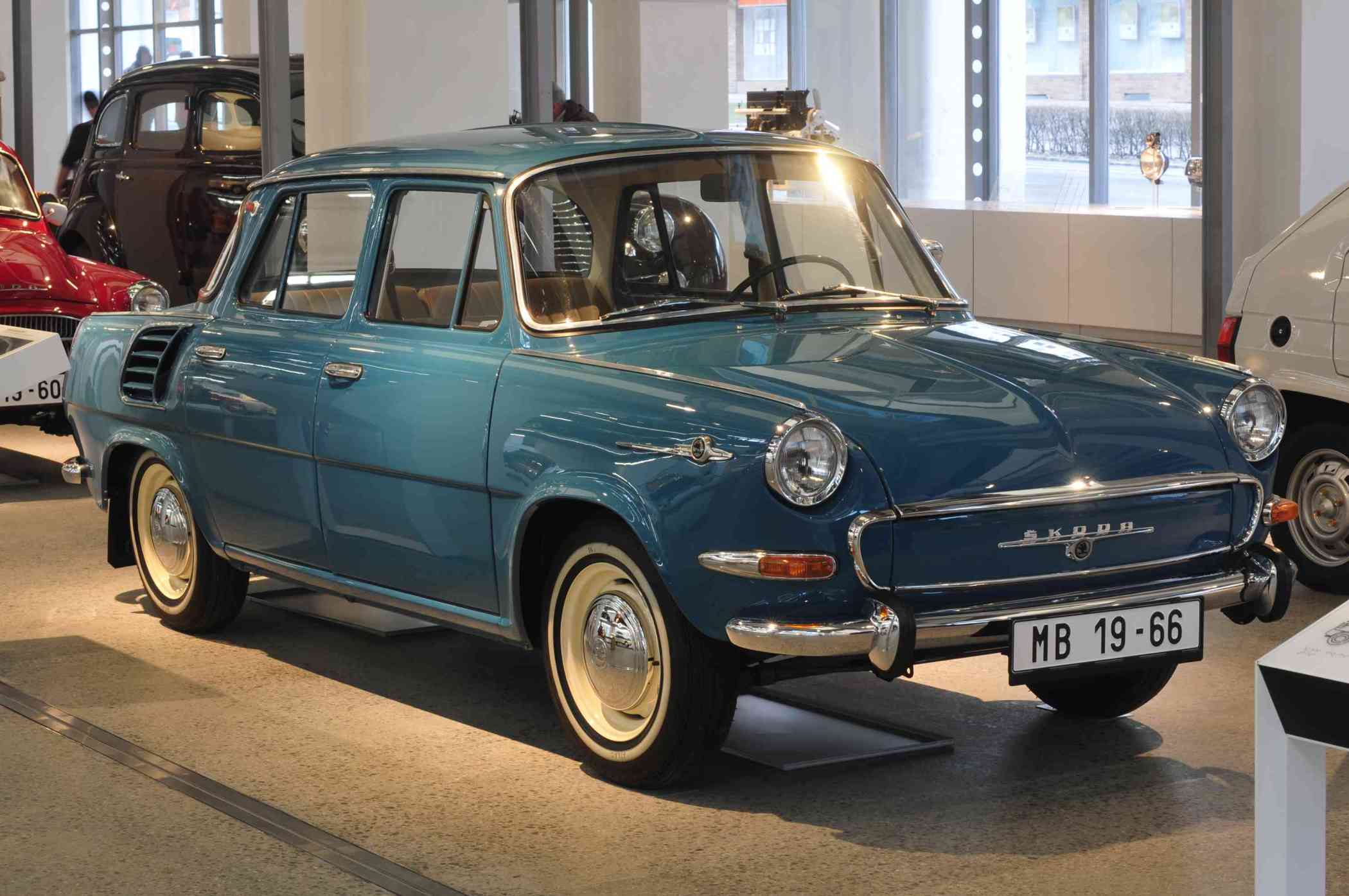
Skoda introduced the first of many rear-engined Skodas in 1964, the same year as the NSU Spyder, but it occupies a very different place in the history of rotary engines. A production model never received the actual component because of this. A few rotary prototypes were built, but Skoda decided to stick with pistons for the cars it sold to the public.
The manufacturer made history by shutting down the rotary project before the production process started, but this event proved to be just one of many similar occurrences. The same situation would become almost normal within the next ten years.
You may also read :- Cult Cars Explained: What Makes These Iconic Cars So Special?
Ford Mustang
In 1965, Curtiss-Wright (best known previously for its aeronautical work) bought an early example of the recently introduced first-generation Mustang and converted it by replacing the 4.7-liter Windsor V8 engine with its RC2-60 twin-rotor system. Curtiss-Wright hoped that the project would lead to it becoming a supplier of rotors to the US auto industry.
The car attracted a lot of interest, but manufacturers turned down the opportunity. The car, which now resides at the National Auto & Truck Museum in Auburn, Indiana, stands as the only rotary-powered Mustang that Curtiss-Wright built.
Mazda Cosmo Sport
No other manufacturer has committed itself as intensely to rotary engines as Mazda, which you will therefore be reading a lot about here. The 1964 Tokyo Motor Show marked the introduction of Mazda's first rotary vehicle, which also served as its initial rotary sports car, although the twin-rotor system presented operational challenges.
Mazda developed new seals that enabled the rotors to stop producing gouges that created casing damage that exasperated engineers referred to as "the devil's claw marks." The Cosmo Sport, which surpassed the NSU Spider in power, finally became available for purchase during May 1967. The 1968 update brought multiple enhancements to the vehicle, including increased engine output, and the vehicle continued to be manufactured until 1972.
The Inventor of the Wankel Rotary Engine
More than one type of engine can be described as a rotary. We are currently examining the Wankel engine, which German engineer Felix Wankel developed between 1902 and 1988.
The Wankel engine gave rise to rotary engines that used his design method. He invented a system that used multiple rotors to drive a central crankshaft that transmitted power to the wheels through the vehicle's transmission system.
The Unique Rotor Design
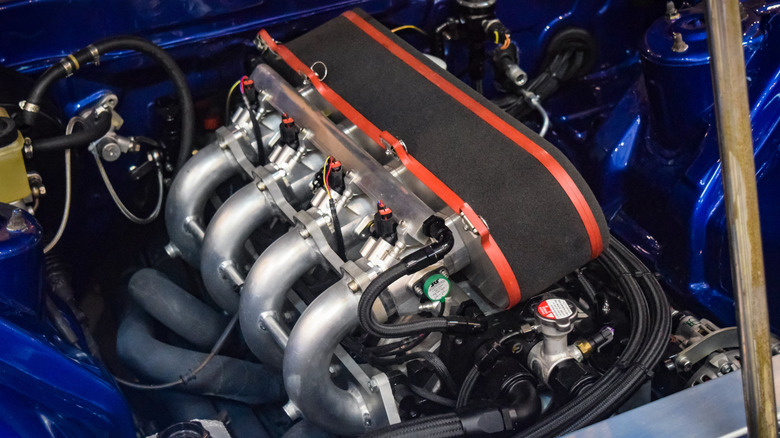
The Wankel engine requires its current design to use a triangular rotor system, which operates through off-center rotation inside an eight-shaped chamber. The engine completes its standard cycle three times for each rotor revolution, which includes three stages that begin with fuel and air intake, followed by combustion, and end with exhaust gas release.
The crankshaft turns three times during this process, since it’s geared to the rotor at a ratio of 3:1. Rotaries have a reputation for achieving high revs, but this is slightly misleading. The engine reaches a 9000rpm rev limit because its crankshaft rotates at that speed, producing combustion cycles equivalent to those of piston engines running at that speed, while its rotors move at only 3000rpm.
The pros of the Engine
Wankel rotaries achieve smooth operation because their combustion process produces small power bursts and their active rotor systems continue to spin. The system lacks a mechanism that enables a piston to begin at the cylinder's top position before it accelerates downward and decelerates before returning upward through the same process. Most people fail to recognize how much piston engines depend on this issue, but rotary engines do not experience this problem.
Piston engines need more space than rotary engines, which have a more compact design. Front-mounted engines create vehicle weight that moves toward the vehicle's center point. This situation provides excellent news because it improves weight distribution, which explains why rotary cars display superior handling capabilities.
The cons of the Engine
The rotary engine operates under its design to maintain continuous fuel intake and exhaust emission. The engine's constant operational mode through fuel intake and exhaust emissions creation results in economic and environmental harm, which prevents its widespread adoption despite its multiple benefits.
The rotator cuff demonstrates weakness in its ability to produce torque. The rotors maintain continuous motion while a combustion event generates force that moves a piston through the cylinder.
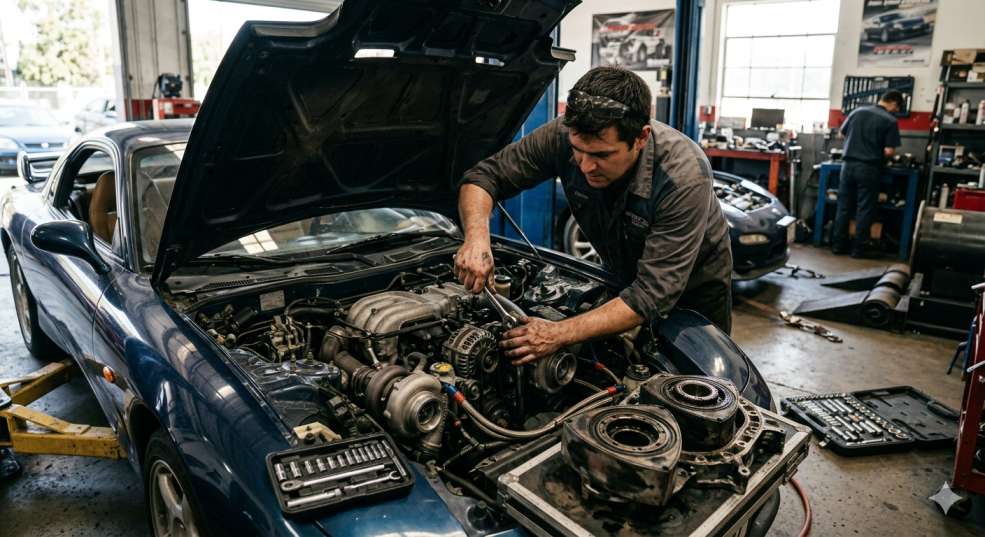
Rotary engines achieve their highest power output when they operate at maximum engine speed because their engine speed produces power, which is different from their torque performance. Manufacturers who need rotary engines for their products face a major obstacle because their rotor and chamber design requires precise rotor tip sealing without causing any damage. Engine failure can lead to total engine destruction, which results in the need for engine replacement.



.jpg)