SUVs have become a common sight in urban areas, yet their current popularity as a vehicle type started to rise during the last few decades. The majority of high-riding vehicles that existed before this vehicle type became popular are now forgotten except for those that still receive recognition. The vehicles that shaped the modern SUV design remain rare on today's roads.
9 Cars That Failed Simply Because They Were Too Early
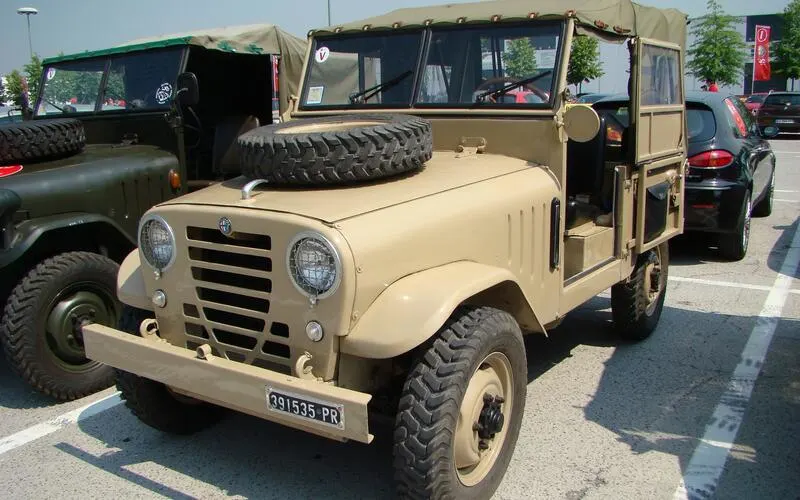
1. Alfa Romeo Matta (1951)
Alfa Romeo decided not to scrap the project and built about 2059 units of the Matta between 1951 and 1955. The military and various government agencies in Italy acquired most of the military vehicles, although civilians purchased a small number of vehicles. The Matta was as rudimentary as it looks, yet it used a version of the 1.9 four-cylinder with dual overhead cams fitted to the 1900.
2. International Harvester Travelall (1953)
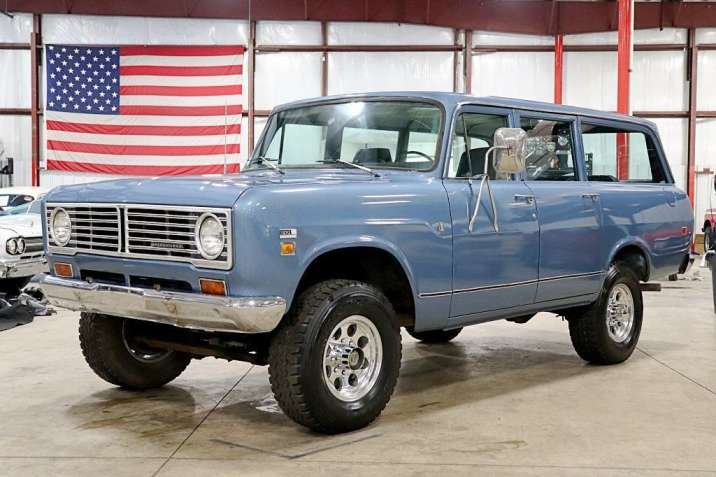
International Harvester used the Travelall nameplate on four generations of pickup-based people haulers between 1953 and 1975. The vehicles showed their strength through their truck foundations because most of them provided four-wheel drive as an optional feature, which required additional payment.
The family car provided more comfortable brunch transportation than it sounded because the vehicle came from a company that specialized in making combine harvesters and tractors. International Harvester increased the list of comfort features in Travel all during the 1960s to satisfy the growing number of customers who used 4x4 vehicles as their main mode of transportation.
You may also read :- Cult Cars Explained: What Makes These Iconic Cars So Special?
3. Jeepster Commando (1967)
Jeep dedicated more than twenty years to developing civilian versions of its acclaimed military vehicle before the Commando made its entrance. The Commando served as a substantial two-door SUV that offered multiple body styles, including pickup, convertible, roadster, and covered wagon, to compete against the Ford Bronco, which had entered the market two years earlier.
4. Plymouth Trail Duster (1974)
Jeep showed a fast reaction to the Bronco, while Chrysler took longer to respond. The company developed the Dodge Ram charger as its delayed answer after almost ten years from the time the Bronco launched its hot two-door large SUV segment. Sister company Plymouth received the model too, but they called it the Trail Duster. The Ram charger system operated through multiple Chrysler small-block V8 engines and a 3.7-liter straight-six engine.
5. UMM Alter (1984)
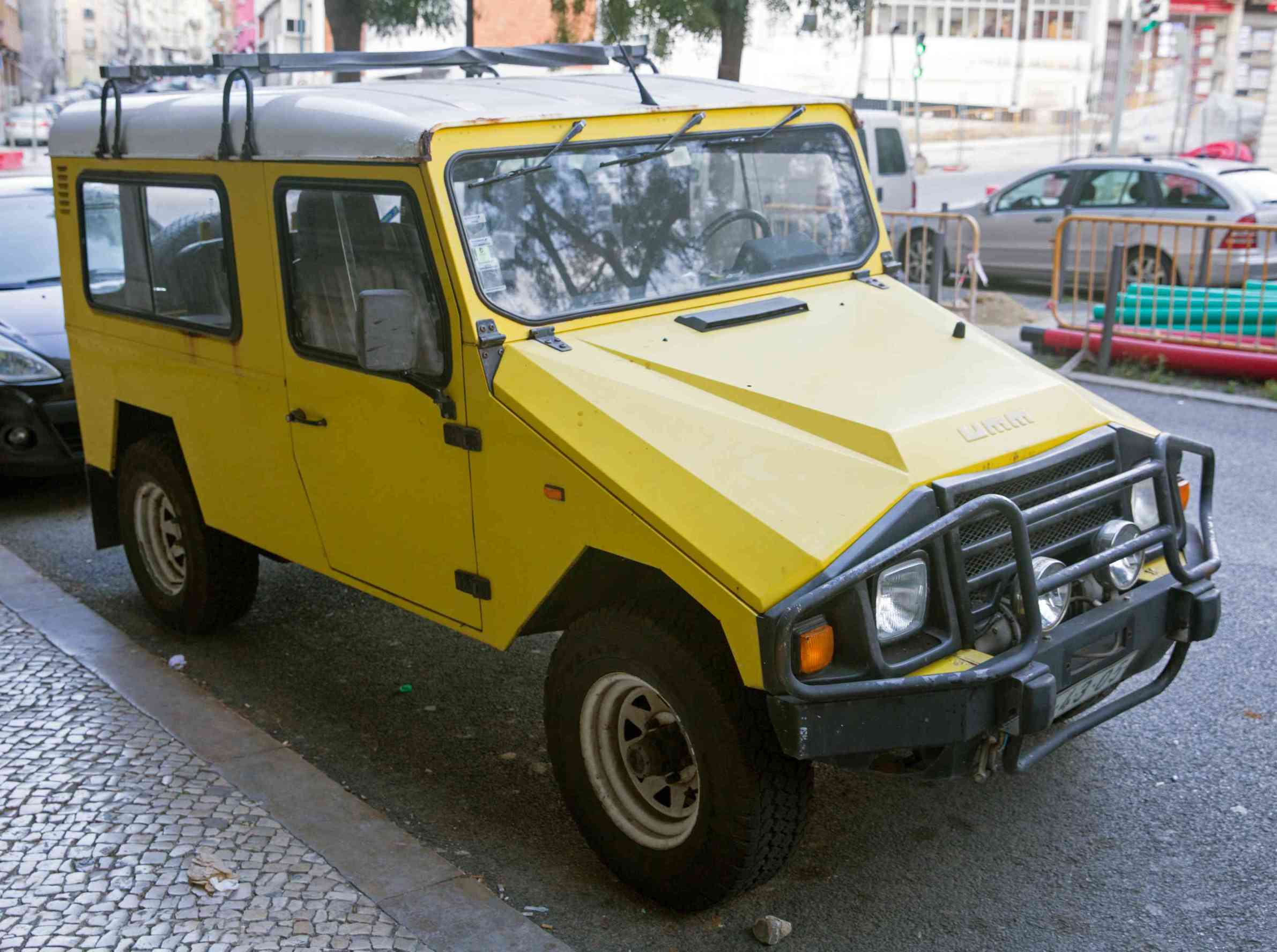
The basic UMM Alter production process followed an intricate development route. The first vehicle of the company Cournil originated from a workshop located in rural France. In 1977 União Metalomecânica (UMM) acquired a license to manufacture the off-roader Cournil, which they later replaced with an upgraded version called Alter in 1984.
The 1986 Alter II, the 1986 version of the product, which now bears that name, received additional enhancements to become a complete product. The Alter design showed complete dedication to function-based design principles through its two available versions.
The driver received an unobstructed view of the trail ahead because the low front-end design allowed better visibility while the designers created maximum space through their design of the boxy rear section. The company offered three different vehicle types, which included long-wheelbase and short-wheelbase and pickup configurations.
6. Bertone Freeclimber (1989)
The 1980s brought substantial changes to the 4x4 segment, which then experienced its most significant shift. The Jeep Grand Wagoneer and Land Rover Range Rover started as practical vehicles that people used for work. Bertone saw this transformation as an opportunity.
The team developed the Daihatsu Rocky by creating an upgraded interior, redesigning it, and replacing the engine with superior BMW engines. The company launched its Freeclimber product to the market in 1989.
7. Biagini Passo (1990)
The final outcome led to the production of an unclassified recreational vehicle that created ambiguity about whether it should be classified as a car or an SUV. Rust has destroyed a significant portion of the population, and today, the Passo stands as a rare but not highly valuable vehicle. The example shown here is part of Volkswagen's collection.
8. Mazda Navajo (1990)
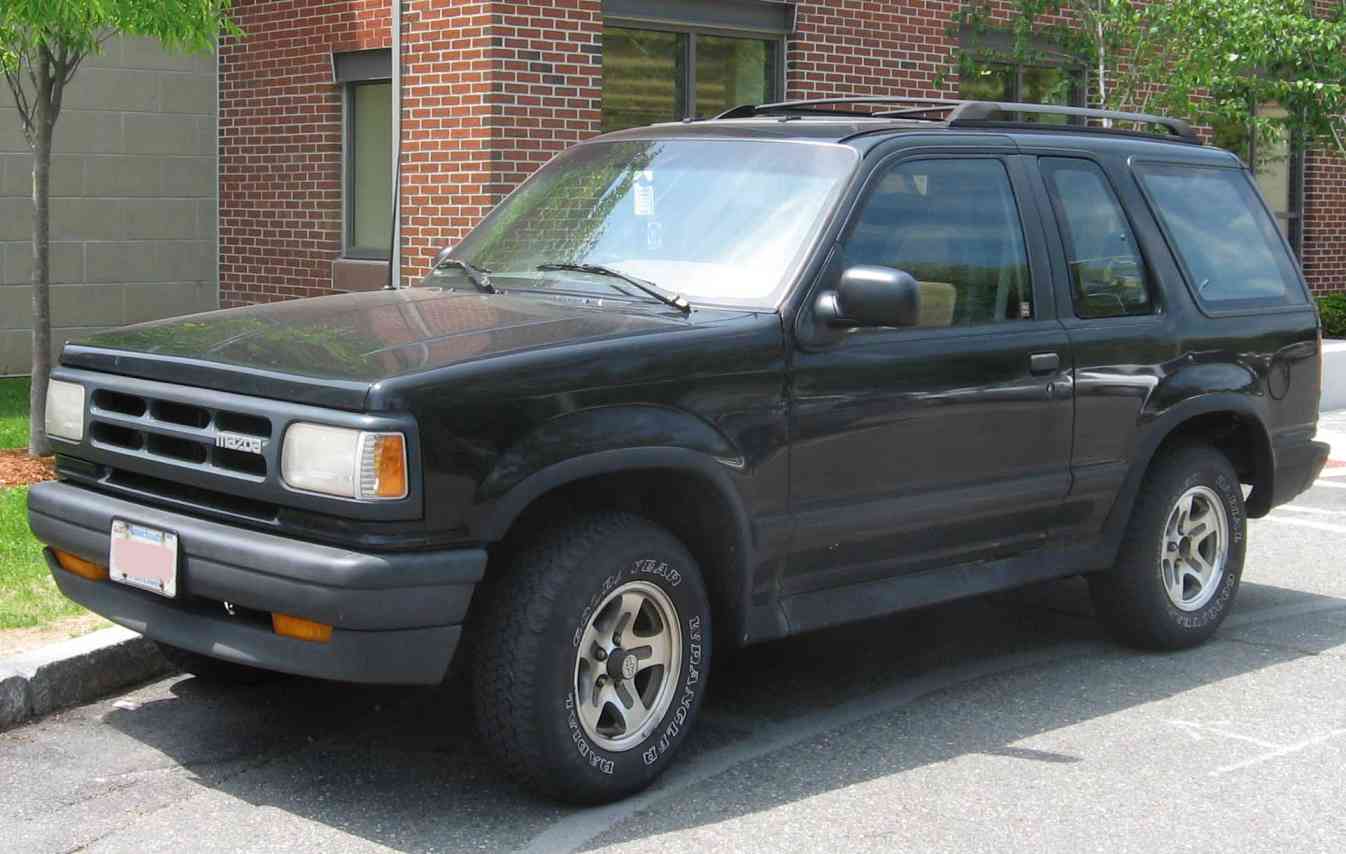
Mazda transformed the first-generation Ford Explorer Sport into the Navajo by skillfully redesigning the grille and fitting new-look lights on both ends. At this point, the two models revealed their first differences because Ford produced Mazda's inaugural off-road vehicle at the Louisville, Kentucky plant, which also manufactured the Explorer.
9. Honda Crossroad (1993, first generation)
Honda offered two different door options for the Crossroad through its attractive two-door and four-door designs. The vehicle suffered a significant loss in marketability in Japan due to its average reliability and subpar fuel efficiency, which diminished its attractiveness to potential customers.
Honda ceased sales of the product in 1998 but launched the CR-V as a replacement following the discontinuation of their previous model, which they developed independently without Rover's involvement.
Conclusion
The rise of SUVs may feel like a recent phenomenon, but as these examples show, the idea was already taking shape decades earlier. Vehicles like the Alfa Romeo Matta, International Harvester Travelall, and Honda Crossroad weren’t failures because they lacked innovation—they simply arrived before the market was ready to embrace them.
Each of these models introduced concepts that are now standard in modern SUVs, from versatile body styles to everyday usability and comfort. Unfortunately, timing plays a crucial role in the automotive industry, and being ahead of the curve often means being overlooked.
Today, while these early pioneers are rarely seen on the road, their influence lives on in the SUVs that dominate our cities and highways. In many ways, they didn’t fail—they just paved the way for the success that came later.
.jpg)