

If you live where winter brings ice, snow, and mornings that sting your face, you have probably asked a simple question before buying an electric car: will the battery survive the cold, or will it slowly die years before its time?
The short answer is this. Cold weather does not kill an electric vehicle battery in a few winters. Modern batteries are built to last a long time, and the cold mostly changes how far you can drive on a single charge, not how many years the battery will serve you. But the full answer is more interesting, because the way you treat the battery in winter and where you park it at night can add years to its life or quietly take them away.
The Difference Between Losing Range and Losing Life
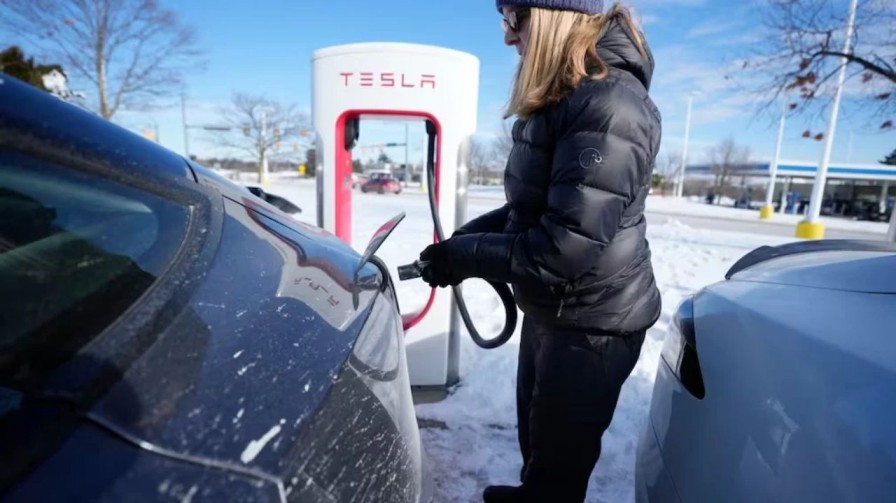
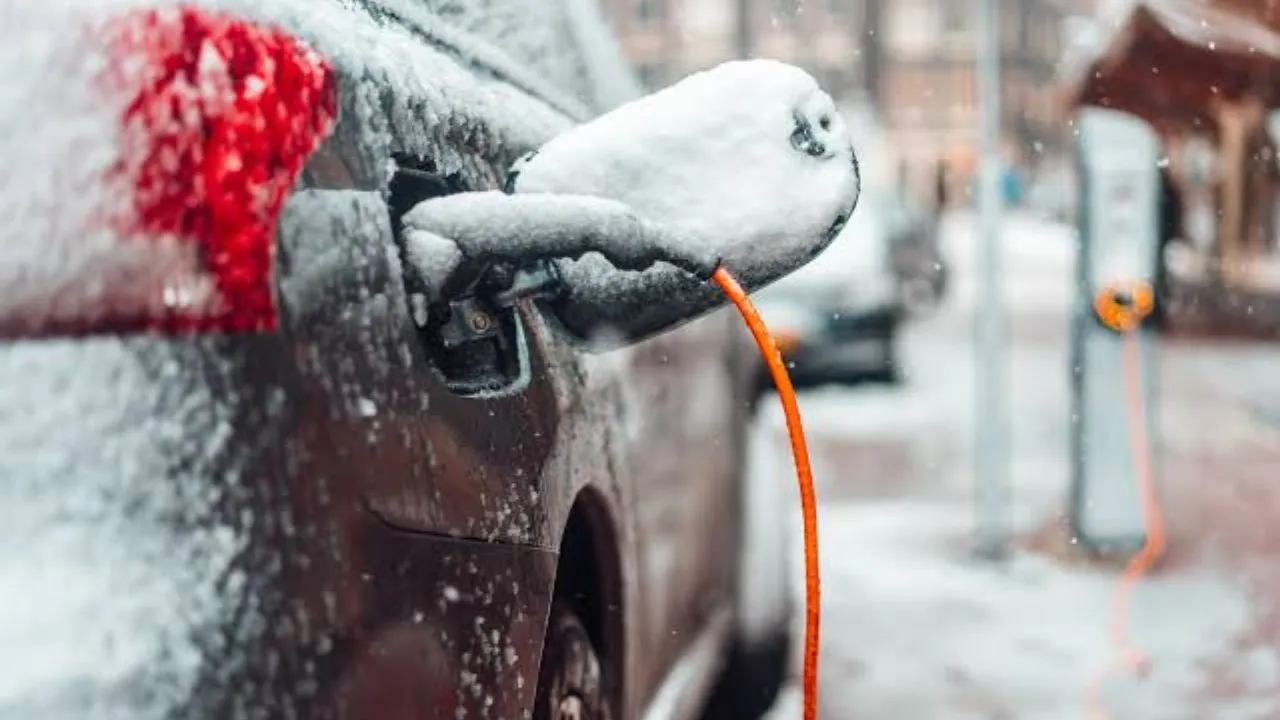
Most people mix up two very different things when they talk about cold weather and EV batteries. The first is range loss. On a freezing morning, your dashboard may show fewer miles of driving than it did in July. This happens because the battery is cold, and a cold battery cannot release energy as easily as a warm one. Studies show that at minus 18 degrees Celsius, the usable energy from a lithium-ion battery drops by roughly four to eight percent compared to a mild 22 degrees Celsius day. But the bigger hit to your driving distance comes from something else: heating the cabin. When you turn on the heater, the car uses battery power to keep you warm. That is why some tests have found total driving range falling by up to 60 percent in extreme cold, with cabin heating being the largest single reason for the drop. This range loss is temporary. When spring returns, how long do ev batteries last in cold weather.
The second thing is actual battery degradation. This is the slow, permanent loss of the battery’s ability to hold a charge over many years. This is what people really mean when they ask how long a battery lasts. And here, the cold plays a much smaller role than most drivers fear. In fact, heat is far harder on battery life than cold. Real-world data from thousands of electric vehicles shows that cars in hot climates lose capacity slightly faster than cars in mild climates. Cold, on its own, is not the enemy of battery lifespan.
Read Also: Fastest Charging Electric Car: Real-World Comparison
What the Data Says About Real Battery Life?
It helps to look at numbers from cars that have actually been driven, not lab guesses. Telematics firm Geotab studied a large group of electric vehicles and found that, on average, batteries lose about 2.3 percent of their capacity per year. That means after eight years, a typical battery still holds around 81.6 percent of its original capacity. Another analysis from Recurrent looked at vehicles that had driven more than 150,000 miles and found that a 2023 model year EV retained about 91 percent of its original range, while an older 2012 model retained about 81 percent. The newer cars did better because battery chemistry and thermal management systems have improved. Recurrent also found that only 0.3 percent of electric vehicles produced since 2022 have needed a battery replacement.
These numbers are averages across all climates. They include cars in Arizona heat and cars in Norwegian cold. What they tell you is that a modern EV battery is not fragile. It is designed to last fifteen years or more in normal use. The cold does not change that basic picture. A Canadian study that simulated EV use across different cities found that colder cities did lead to somewhat shorter service lifetimes, but the same study found that simply parking the car in a garage largely erased that difference. In other words, where you park at night matters more than the climate you live in.
Why Cold Is Hard on Batteries in the Moment
To understand why cold matters at all, you need a very simple picture of what happens inside a battery. A lithium-ion battery works by moving lithium ions back and forth between two sides of the cell. When it is cold, the liquid inside the battery becomes thicker, like olive oil left in the fridge. The ions move more slowly. The battery’s internal resistance goes up. It becomes harder for the battery to push out power and harder for it to accept power when you plug it in.
This has two practical results. First, you cannot drive as far on a charge because the battery is working less efficiently. Second, charging a very cold battery can be harmful. If you force power into a cold battery, some of the lithium ions do not settle where they should. Instead, they form a metallic coating on the surface of the electrode. This is called lithium plating. Over time, repeated plating can reduce capacity and, in rare cases, create safety risks. This is why many modern EVs will automatically warm the battery before letting it charge at high speed, or will limit charging power when the battery is cold.
The good news is that most drivers never run into serious trouble here. The battery management system in a modern EV is designed to protect the battery from you. It will slow down charging when the battery is cold. It will warm the battery when needed. As long as you are not trying to fast-charge a frozen car at full power on a regular basis, the occasional cold start is not doing permanent damage.
Read Also: Electric SUV for 2025 Volvo EX90
The Habits That Actually Matter in Winter
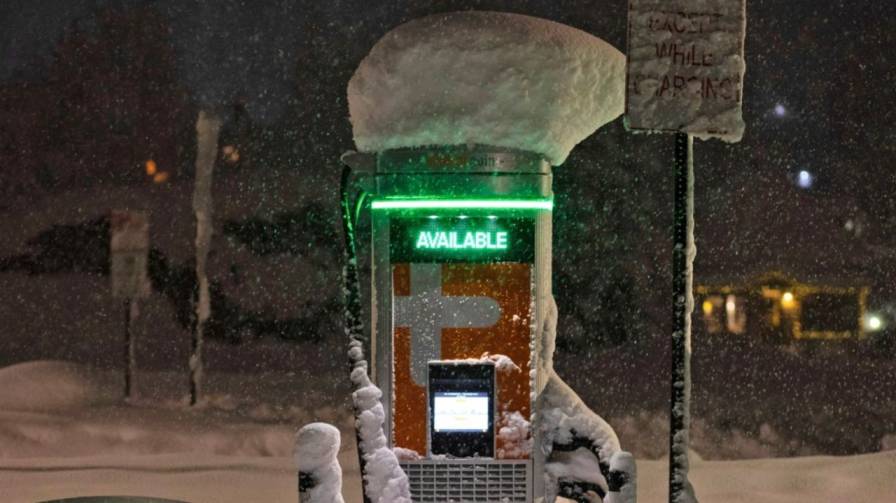
If cold weather is not the battery killer people imagine, what should you actually do to protect your battery life in winter? The answers are simple, and they are mostly about being kind to the battery rather than fighting the climate.
Park inside if you can. The Canadian simulation study found that garage storage significantly reduced the climate penalty on battery lifetime. A garage does not need to be heated. Even an unheated garage stays warmer than the open air and protects the battery from the worst temperature swings. If you do not have a garage, parking in a spot sheltered from wind helps a little.
Precondition while plugged in. Most modern EVs let you warm the cabin and the battery while the car is still connected to the charger. Do this. It uses electricity from the wall instead of from the battery to get everything up to temperature. Research on battery management strategies has found that preconditioning the battery before driving and charging can increase battery lifespan by a meaningful amount, with gains ranging from two to twenty-seven percent depending on the situation, and the benefits are highest in cold climates. When you precondition while plugged in, you start your drive with a warm battery that is more efficient and a cabin that is already comfortable, so you do not have to drain the battery to heat up the car as you drive.
Do not leave the battery very full or very empty for long. This advice applies in all seasons, but it is worth repeating. Battery degradation speeds up when a vehicle spends most of its time at or near a full charge or near empty. For daily driving in winter, charge to eighty or ninety percent rather than one hundred. Plug in when you get home rather than letting the car sit at a low charge overnight in the cold.
Accept the winter range drop. This is not a battery health issue, but it is the thing that frustrates drivers most. Plan for it. In mild cold, you might lose ten to twenty percent of your range. In serious cold, with the heater running, you might lose more. Use the seat heater instead of the cabin heater when you can. Seat heaters warm you directly and use far less energy than heating all the air in the car. Look for a model with a heat pump, which is more efficient at heating than a simple resistance heater and can reduce the range penalty in cold weather.
The Bottom Line for a Cold-Climate Driver
If you are considering an electric car and you live somewhere with real winters, the battery is not the thing you should worry about. The battery will last. Real-world data from cars that have been driven hard and long shows that capacity loss is slow and that modern batteries are holding up better than older ones. The cold will cost you some driving range for a few months of the year, and you will need to adjust your habits a little. You will plug in more often. You will precondition. You will learn to love the seat heater.
What you do not need to do is fear that a few cold winters will ruin the battery. The evidence does not support that fear. A battery that is treated reasonably well, kept out of extreme heat, not left at one hundred percent charge for weeks, and not fast-charged while frozen solid will last for many years, cold snaps and all. The winter range drop is real, and it is temporary. The battery itself is built to endure and know how long do ev batteries last in cold weather.
.jpg)