



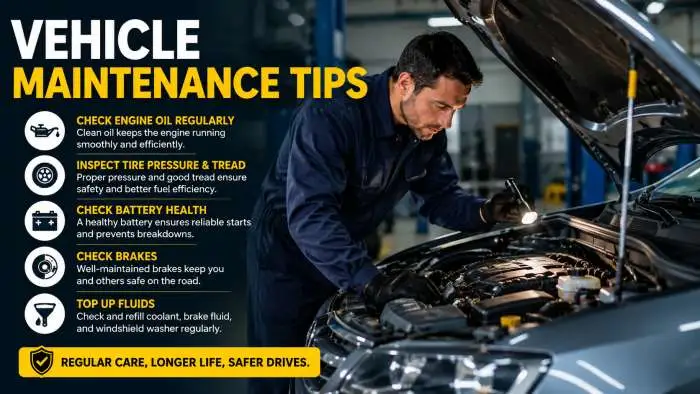
Let’s be honest: you don't need to be a certified mechanic to keep your car from falling apart. Routine car care is really just about building a few smart habits that protect your wallet and keep you safe. This quick guide breaks down the easy stuff any driver can handle without breaking a sweat. We’ll look at exactly what to check and when to do it so you can avoid those brutal repair bills down the road. From checking oil levels to eyeing your tires, sticking to a quick routine is the absolute best way to ensure your car stays reliable for years to come.
What Are the Most Important Vehicle Maintenance Tips for Every Driver?
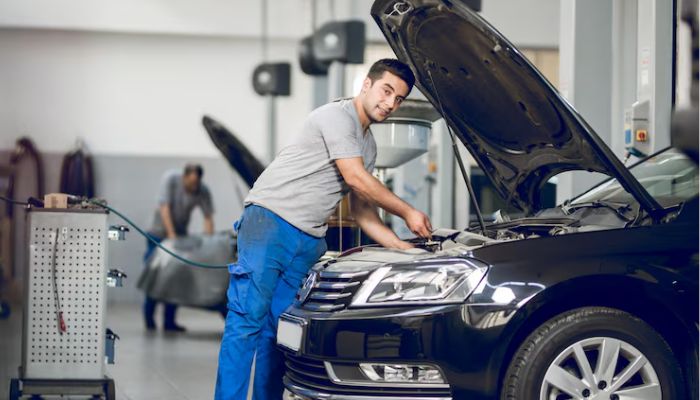
Vehicles are pretty complicated pieces of machinery, but keeping up with basic care doesn't have to be. Honestly, the most effective maintenance advice boils down to a few key habits that keep you safe and protect your bank account—consistency is absolutely everything here. As one automotive expert puts it: 'Pop the hood or grab your tire gauge. Don't be afraid to get your hands a little dirty. Your car (and your wallet) will thank you.' With that in mind, here are the essential steps every driver should actually know.
Why Does Regular Car Care Matter So Much?
Think of routine maintenance as a shield. It protects your car from unexpected breakdowns. Regular checks help you catch small issues before they become big, expensive problems. A well-cared-for car is also safer for you and your family. It offers better fuel economy and can even boost your car's resale value when you decide to sell . In short, a little time spent on care now saves you time, money, and stress later.
You may also read :- The Wankel Rotary Engine: History and Performance Explained
The Monthly Car Maintenance Checklist You Should Follow
Every month, you should do a few quick checks. This routine will become second nature. Start by walking around your car. Look at the tires, lights, and windshield .
- Check Tire Pressure and Tread: Use a simple gauge to check tire pressure. Proper inflation helps with handling and fuel economy. Also, check the tread. Good tread keeps you safe in rain and snow .
- Test All Lights: Make sure headlights, brake lights, and turn signals are working. This is a key safety step. A burnt-out bulb can lead to a ticket .
- Inspect Wiper Blades: Check for cracks or wear. Streaking or squeaking means it's time for new blades. Visibility is crucial for safe driving .
- Look Under the Hood: Check your engine oil and other fluids. This simple step can prevent a major engine issue .
Essential Car Maintenance Tips for Fluids and Filters
Keeping your car's fluids clean and at the right levels is a top priority. These are the lifeblood of your vehicle. Neglecting them can lead to serious damage .
How to Check and Top Up Engine Oil
Engine oil keeps all the moving parts inside your engine smooth. Low or dirty oil is a disaster waiting to happen. You should check your oil at least once a month . Do it when the engine is cool. Find the dipstick, pull it out, and wipe it clean. Put it back in and pull it out again. The oil level should be between the two marks on the stick . Also, look at the oil's color. If it's black or gritty, it needs a change .
"Checking once a month, or before any long trip, is a good habit that takes less than five minutes," an oil change expert notes. "It's basic maintenance 101, and still one of the most important" .
Keeping Cool: Coolant and Other Fluids
Your engine needs to stay cool. Check the coolant level in the clear plastic tank under the hood. The level should be between the "min" and "max" lines . Never open the radiator cap when the engine is hot. It's under pressure and can cause serious burns
Don't forget your brake fluid and power steering fluid either. If your brake fluid is low, it could mean your brake pads are wearing down. This is a sign to see a mechanic .
Replacing Engine and Cabin Air Filters
Air filters are often forgotten. A dirty engine air filter makes your engine work harder. This hurts fuel economy and performance. Replacing it is easy. Just unclip the airbox, pull out the old filter, and drop in a new one . The cabin air filter keeps the air inside your car clean. Change it once a year. This helps your defroster work well, which is key for visibility .
Tire Care and Battery Maintenance Tips
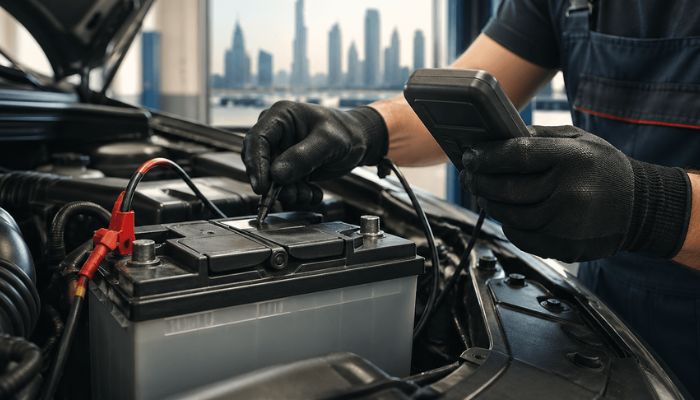
Your tires and battery are essential for getting where you need to go. They need regular attention to stay reliable.
Proper Tire Pressure and Tread Depth Checks
Tires are your car's only contact with the road. Proper care is vital for safety. Check Tire Pressure Monthly: Use an air pump at a gas station. Your car's recommended PSI is often on a sticker inside the driver's door. A tire can lose one pound of pressure for every 10-degree drop in temperature .
Check Tread Depth: Look for uneven wear. This can be a sign of alignment problems. A simple test is the "20p test" or using a tread depth gauge . Rotating your tires every six months helps them wear evenly. This extends their life .
Battery Care and Jump Starting Basics
A dead battery is a huge hassle. Prevent it with some simple care. Check the battery terminals for a greenish-blue crust. This is corrosion. You can clean it off with a wire brush and a baking soda solution .
If your battery is over three years old, consider getting it tested, especially before winter or summer . Even if it seems fine, it's best to think about replacing it at 3-5 years .
Knowing how to jump-start your car is a valuable skill. Keep jumper cables or a portable jump starter in your trunk. This can save you or a friend in a pinch .
Brakes, Lights, and Wipers: Safety Vehicle Maintenance Tips
Your safety depends on how well you can see and stop. These systems are your first line of defense.
When to Inspect and Replace Brake Pads
Brakes are your most critical safety feature . If your brakes make a squealing noise, it's time to act. This noise is a built-in warning. The pads are worn down. Replacing them early is cheaper than replacing more expensive parts like rotors .
Check your brakes twice a year. Also, watch for a "spongy" brake pedal. This is a sign of a leak or air in the brake lines. It needs immediate attention .
Keeping All Lights Functional
Good visibility is a must. Walk around your car once a month to check all your lights. This includes headlights, brake lights, and turn signals. Replace dim or burnt-out bulbs right away. It keeps you safe and compliant with the law .
The Importance of Functional Wiper Blades
Wiper blades need to be replaced at least once or twice a year. If they are leaving streaks or squeaking, they can't do their job. This is dangerous in rain or snow. It's a simple fix that makes a huge difference in safety .
Seasonal Vehicle Maintenance Tips
Extreme weather can be tough on your car. A little preparation goes a long way.
Preparing Your Car for Summer
Summer heat can be brutal. Heat can drain your battery and wear out your tires faster . Check your air conditioning. It might need a re-gas if it's not blowing cold. Also, ensure your coolant is at the right level to prevent overheating .
Winterizing Your Vehicle
Cold weather creates its own challenges. Test your battery before the cold hits. A weak battery often fails during the first freeze . Check your antifreeze concentration. It prevents the coolant from freezing. Top up your washer fluid with a winter-grade mix. This stops it from freezing on your windshield .
Long-Term Vehicle Maintenance and Care
Some car care tasks happen less often but are still important for the long run.
Regular Car Washes and Exterior Care
Keeping your car clean is about more than looks. Dirt and grime can damage the paint. It can even lead to rust, which weakens the car's body structure . Wash your car every few weeks. Also, fix small scratches and chips quickly. This prevents rust from forming .
Sticking to Your Car's Service Schedule
Your car's owner's manual has a service schedule. Follow it. A good rule of thumb is to get a full service once a year. An interim service every six months is also a great idea . This is the best way to catch problems before they become expensive.
Understanding Dashboard Warning Lights
Your car's dashboard lights are its way of talking to you. Don't ignore them. A "check engine" light could be something simple, like a loose gas cap. But a flashing red light is a serious problem. You should have it inspected by a mechanic right away .
Simple Maintenance Tasks Every Driver Should Know
There are a few basic tasks that every driver can learn. They save you time and money.
How to Change a Flat Tire
Every driver should know how to change a tire. Practice in your driveway so you're ready. Always work on flat ground and use the parking brake. Loosen the lug nuts before you lift the car with the jack. Then, remove the flat tire, put on the spare, and tighten the lug nuts .
Resetting Maintenance Lights
Your car may have a maintenance reminder light. After you get an oil change, you often need to reset it. The process is often in your owner's manual or online. It's a small step that keeps your car's reminders accurate .
Inspecting Belts and Hoses
Pop the hood and look at the rubber belts and hoses. Check for cracks, bulges, or leaks. A worn belt can break and leave you stranded. Catching these signs early can prevent breakdowns .
FAQs
How often should I check my tire pressure?
You should check your tire pressure at least once a month. Also, check it before any long road trip. Temperature changes can cause pressure to drop, so it's good to stay on top of it .
What is the most important fluid to check in my car?
Engine oil is the most critical fluid. It keeps your engine's moving parts lubricated. Without enough oil, your engine can suffer severe damage. Check it at least every month .
Is it okay to skip an oil change?
No, skipping oil changes is a mistake. Over time, oil breaks down and gets dirty. It can't protect your engine as well. This can lead to costly engine damage. Even if you don't drive much, you should change the oil at least twice a year .
When should I replace my car battery?
Most car batteries last about three to five years. Even if it seems fine, get it tested, especially before winter or summer. Extreme temperatures are hard on batteries .
How do I know if my brakes are wearing out?
Listen for a squealing or grinding noise when you brake. You might also feel a vibration or a "spongy" pedal. Any of these signs mean you should have your brakes checked right away .


.jpg)